Six solutions. One aim: an endpoint you can defend.
Three tools that run on live studies, and three expert services that get the right instrument into the field in the first place. They compound: doubtful ratings surfaced by surveillance feed straight into adjudication.
Clinical endpoint adjudication tool
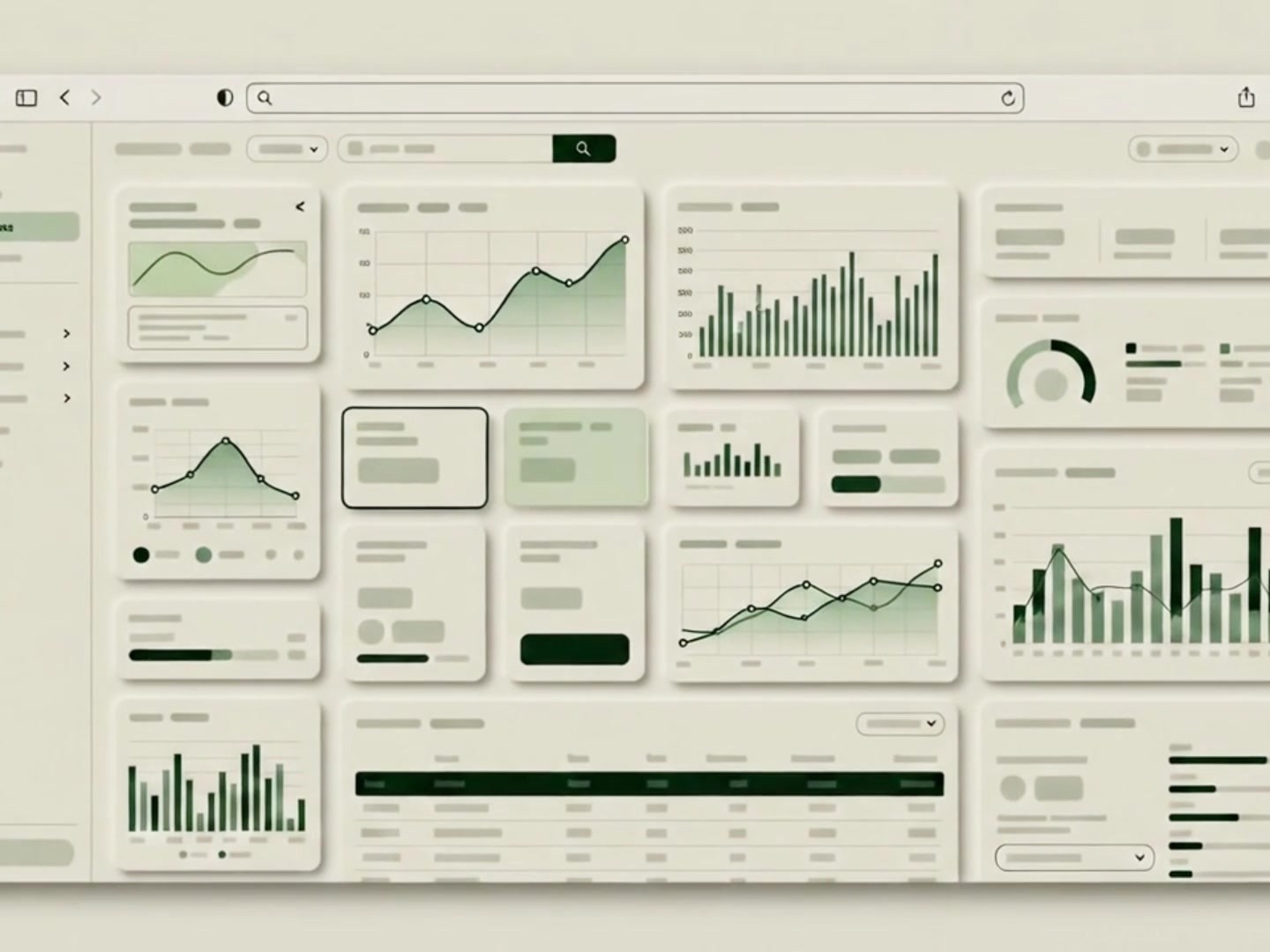
Adjudicators decide from whatever a coordinator managed to assemble, and the evidence for a single endpoint event sits across ePRO, EDC, laboratory, imaging and safety systems that do not talk to each other. If the signal is not in the pack, the event did not happen. We consolidate all source data into a single data lake, identify the evidence indicating an endpoint event, and stratify participants — clear-negative, clear-severe, or needs adjudication — so reviewers only see the cases that need them.
An AI-built snapshot report replaces manual file building, and a branching workflow handles determination, follow-up, second review and escalation — with the audit trail embedded from the first click. The engine is endpoint-agnostic: what changes per study is the clinical parameter set, the stratification rules and the dossier layout — configured, not coded. It runs on the already de-identified export from your eClinical system.
- All source data consolidated into a single data lake
- Stratification so committees review only genuine cases
- Snapshot reports instead of hand-built dossiers
- Determination, second review and escalation in one auditable workflow
Endpoint quality surveillance tool
How do you know a human rating can be trusted? Now you can check every one. The tool reads COA data as it accrues and flags measurement problems — score drift, implausible baselines, non-random missingness — while the study can still act on them. An independent central over-read re-scores a defined sample and reconciles site against central.
- Anomaly detection across every rating in the trial
- Independent central over-read on a defined sample
- Disagreement worklists, systematic bias, agreement and rater drift
- Instrument-agnostic: any structured item-level assessment
Doubtful ratings surface early, while there is still time to retrain a rater or re-assess a participant — and they feed straight into adjudication. No personal data enters the tool: only coded participant IDs and scores. AI is used to write the algorithm, never to run it, so no trial data ever passes through an AI model.
Autonomous rater training & certification
Replaces the five-to-six-hour in-person site-initiation visit: digital, self-led, on-demand and fully study-specific. Content is generated from the actual protocol and scale definitions and tailored by role, so every rater is trained on the same rules before the first participant is enrolled. It calibrates raters against expert scoring and against each other — targeting the reliability gap that drives sample size.
- AI-generated case studies with images and video, plus eClinical data entry practice
- Protocol-referenced quizzes with defined pass thresholds
- Signed, 21 CFR Part 11-compliant certificates
- On-demand recertification when raters change mid-study
Getting the right instrument into the field.
Development of new eCOAs
Design and development of new outcome measures, from concept through validation — including instruments intended as non-exploratory endpoints. Instruments are designed and validated electronically from the outset, referencing published data and adding current cohorts, rather than digitising a paper measure after the fact. We bring expert regulatory guidance across both TGA and FDA pathways, so the evidence package is planned from the first draft.
eCOA licence, digitisation & translation management
Most established COAs are licensed by a handful of rights-holders, and every digital migration and translation needs their approval. We manage licence acquisition, copyright approval, faithful digital migration and translation management across study languages — one accountable workstream instead of a chain of hand-offs.
Digitisation support for eCOAs & digital endpoints
Expert support for digitising eCOAs and other digital endpoints on your platform of choice. We also help academic and investigator-led teams access commercial-grade eCOA tooling that is usually out of reach outside industry — so a university-run study can capture data to the same standard as a sponsored one.
Not sure which solution fits your study?
Send us the protocol and the instrument list. We will come back with a plain assessment of what applies — and what does not.
Talk to us about your study